Garissa County sits in the arid and semi-arid lands of north-eastern Kenya — a region that has always known how to live with little rain. But in recent years, the rains have become less predictable, the dry spells longer, and the pressure on families, livestock and water sources heavier than at any time in living memory.
Crossworld Foundation's Climate Resilience Program in Garissa County is a response to that reality. It works alongside communities — not on their behalf — to strengthen their ability to anticipate, prepare for, adapt to, and recover from climate shocks.
Climate resilience is not something we bring to a community. It is something we build with them — from their own knowledge, their own priorities, and their own determination to keep going.
— Crossworld Foundation climate teamThe programme combines several interconnected strands. Community members are trained in climate-smart agriculture — techniques such as water-efficient farming, drought-tolerant crops, soil conservation and kitchen gardens that help households grow food even in difficult seasons. Water conservation and rainwater harvesting awareness is built into the same sessions.
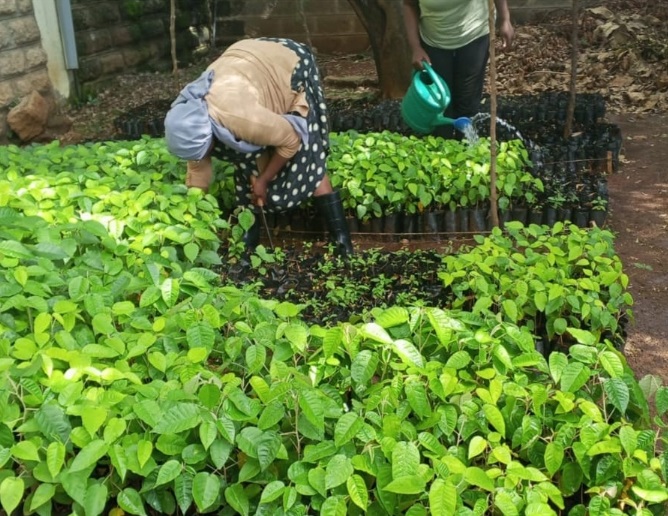
Environmental restoration runs alongside the agricultural work. Tree growing — particularly of indigenous and drought-tolerant species — is combined with education on why trees matter for shade, soil, water retention and long-term climate stability. School environmental clubs in the county have become active partners, with learners leading tree-planting drives and awareness campaigns.
From preparedness to resilience
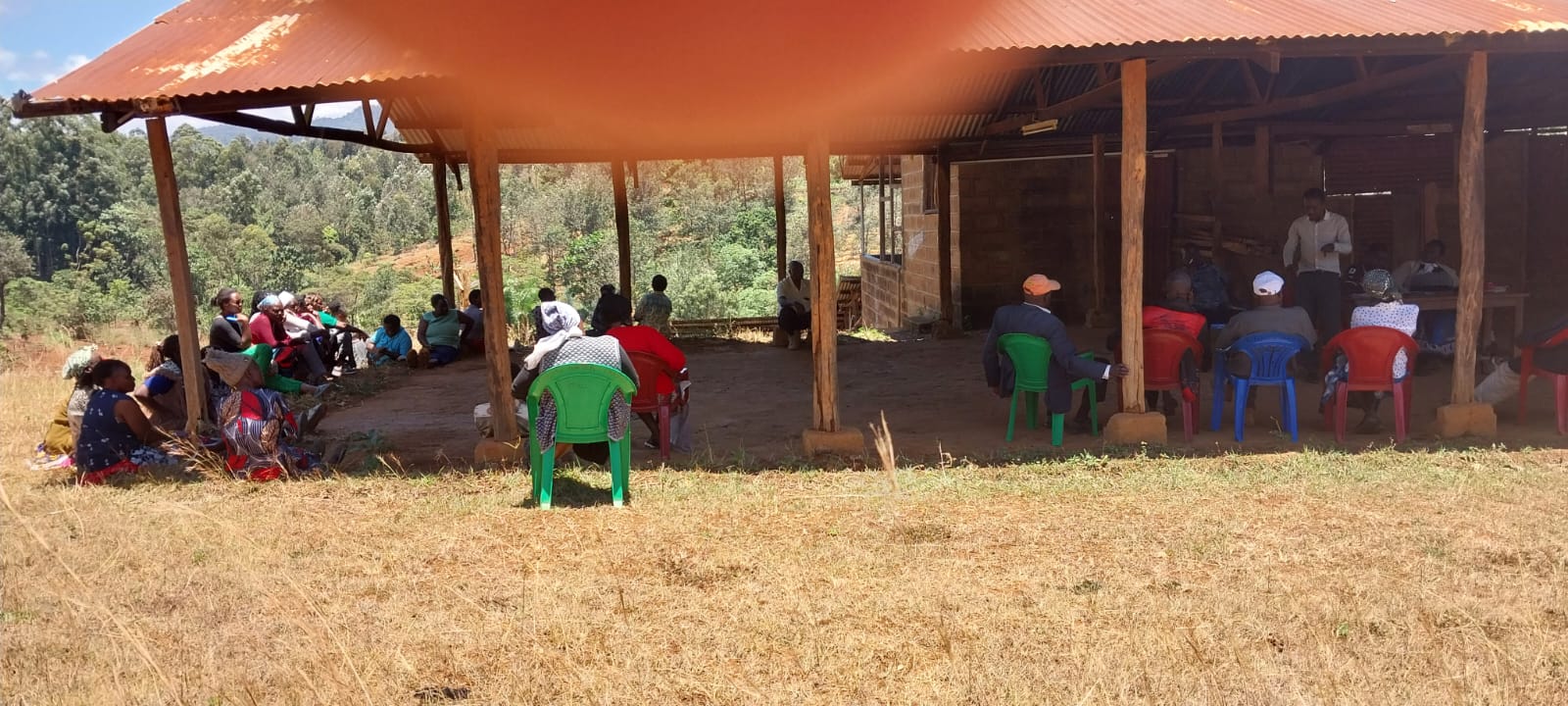
A core part of the programme is disaster-risk reduction and community preparedness. Communities are supported to understand early-warning information, plan for drought and flooding, and coordinate with local institutions when climate events hit. The goal is not to prevent every shock — that is impossible — but to ensure that when shocks arrive, communities are not starting from zero.
Economic resilience is inseparable from climate resilience. The programme therefore links climate work to sustainable livelihoods: supporting women-led enterprises, youth skills development, and small businesses that can withstand seasonal disruption. A family that has a second income stream is a family that can adapt when the rains fail.
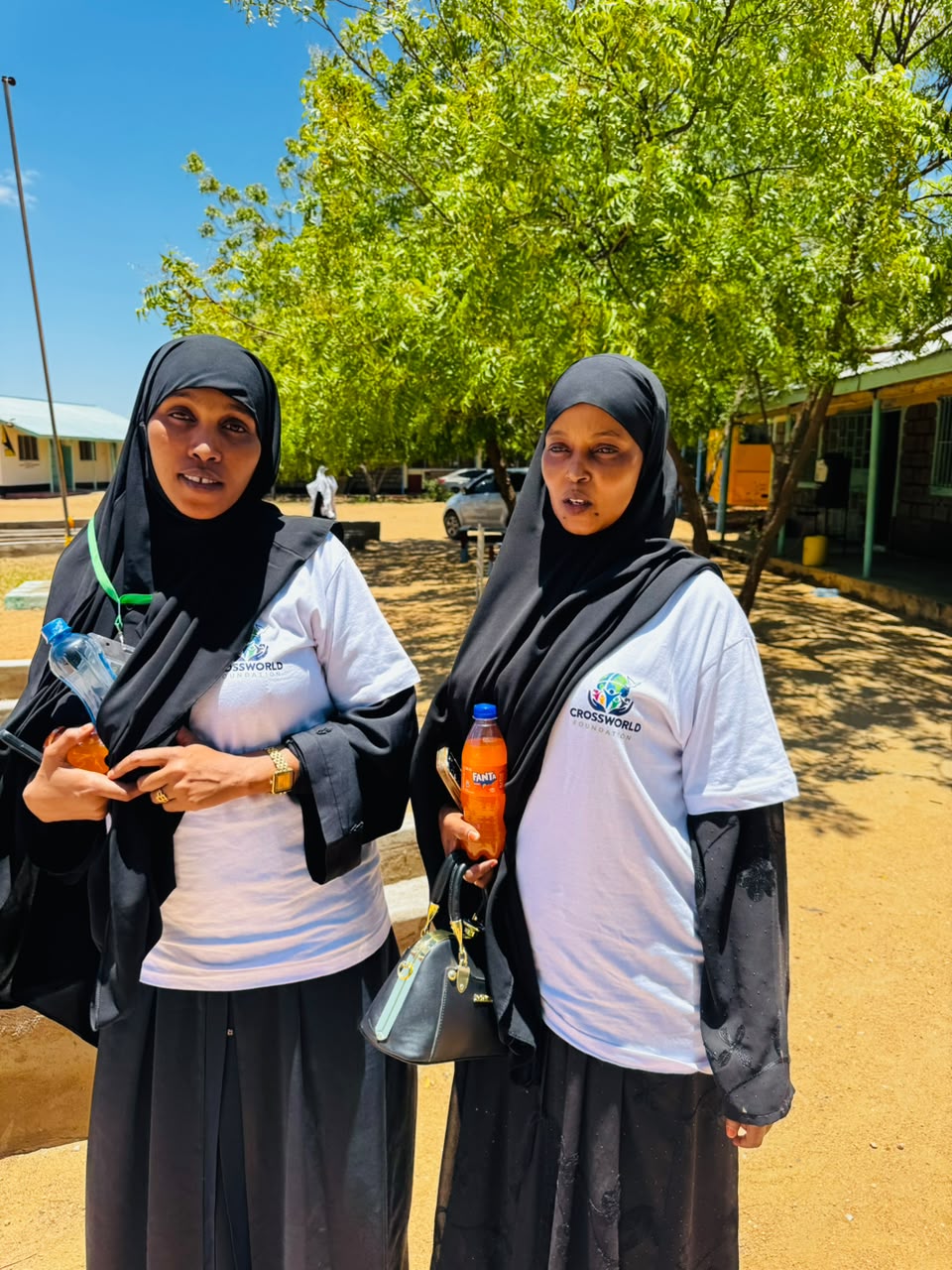
Women and youth are at the centre of the programme. Women's groups lead water conservation and tree-growing initiatives. Youth climate leaders are trained to run awareness campaigns, environmental clean-ups, and green enterprises. The result is not just environmental change — it is a shift in who gets to shape the future of the county.
Garissa is not waiting for the climate to change back. It is preparing — with the resources, knowledge and leadership it already has. Crossworld Foundation is proud to walk alongside that work.