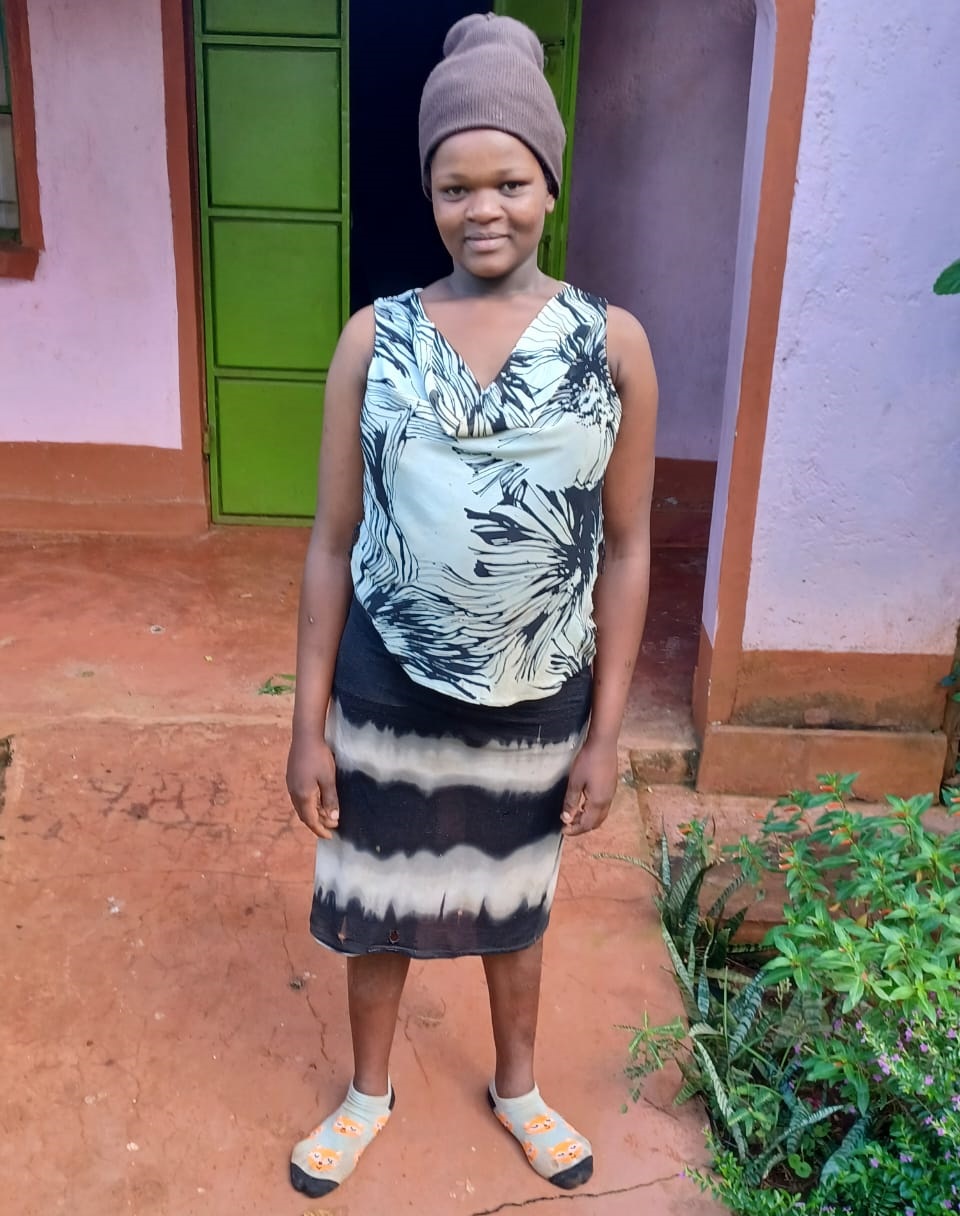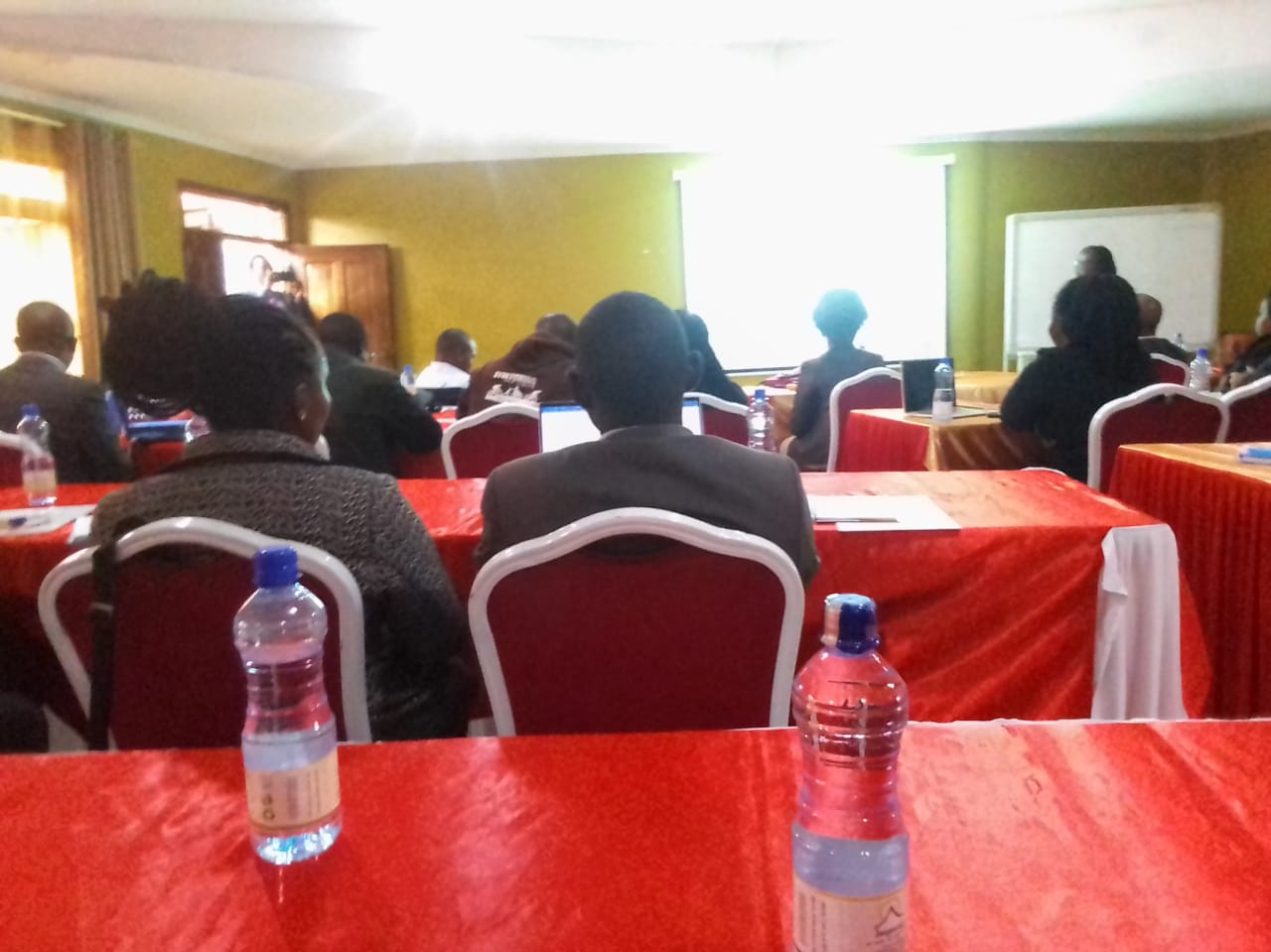
In the heart of Gaukune, a quiet yet powerful movement is taking root — one that is transforming landscapes, empowering communities, and restoring the environment. What began as a small community tree-growing initiative has grown into a shared commitment: that the land our children inherit should be healthier than the one we found.
Gaukune, like many communities across the region, has felt the effects of a changing climate. Unpredictable rains, longer dry spells and degraded soil have made farming harder. For families who depend on the land for their daily food and income, those changes are not abstract — they are felt at every meal. But rather than wait for solutions to arrive from outside, the community decided to act.
We are not just planting trees. We are planting a future where our children can grow up with water, shade and food.
— Community member, GaukuneWorking alongside Crossworld Foundation, families came together to establish community nurseries, learn tree-care techniques, and restore degraded plots of land. School children joined in, forming environmental clubs that turned tree growing into a weekly ritual. Farmers began intercropping indigenous trees with their crops, using techniques that improve soil fertility while protecting water sources.
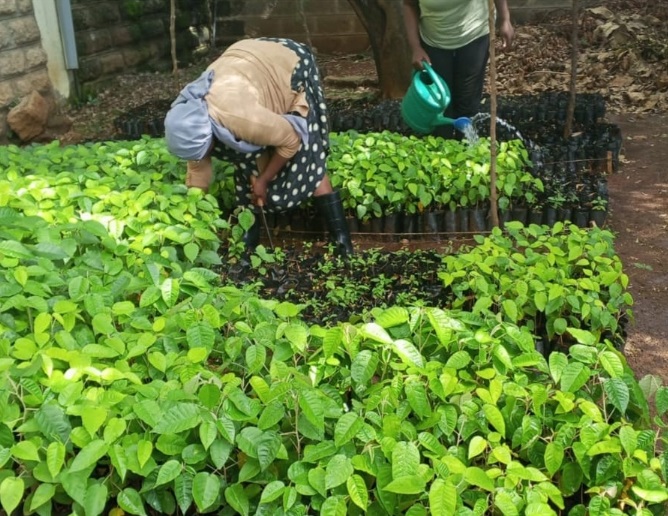
The results so far speak quietly but convincingly. Thousands of indigenous trees are now growing on land that had been bare for years. Water is returning to previously dry stream beds. Farmers report healthier soil and better harvests. And perhaps most importantly, the community has a shared sense of ownership over the change — because they built it.
More than trees — a way of thinking
What makes this work different is that it is integrated. Tree growing is connected to livelihoods, to water security, to school education, and to climate leadership. Young people who once saw few opportunities at home are now trained as climate leaders, leading environmental campaigns and mentoring younger learners. Women who were once on the margins of community decision-making are now leading their own green enterprises.
The programme is not finished — it is only beginning. The vision is a landscape where tree cover, water and opportunity keep growing together. It is a vision that communities across the region are already beginning to share.