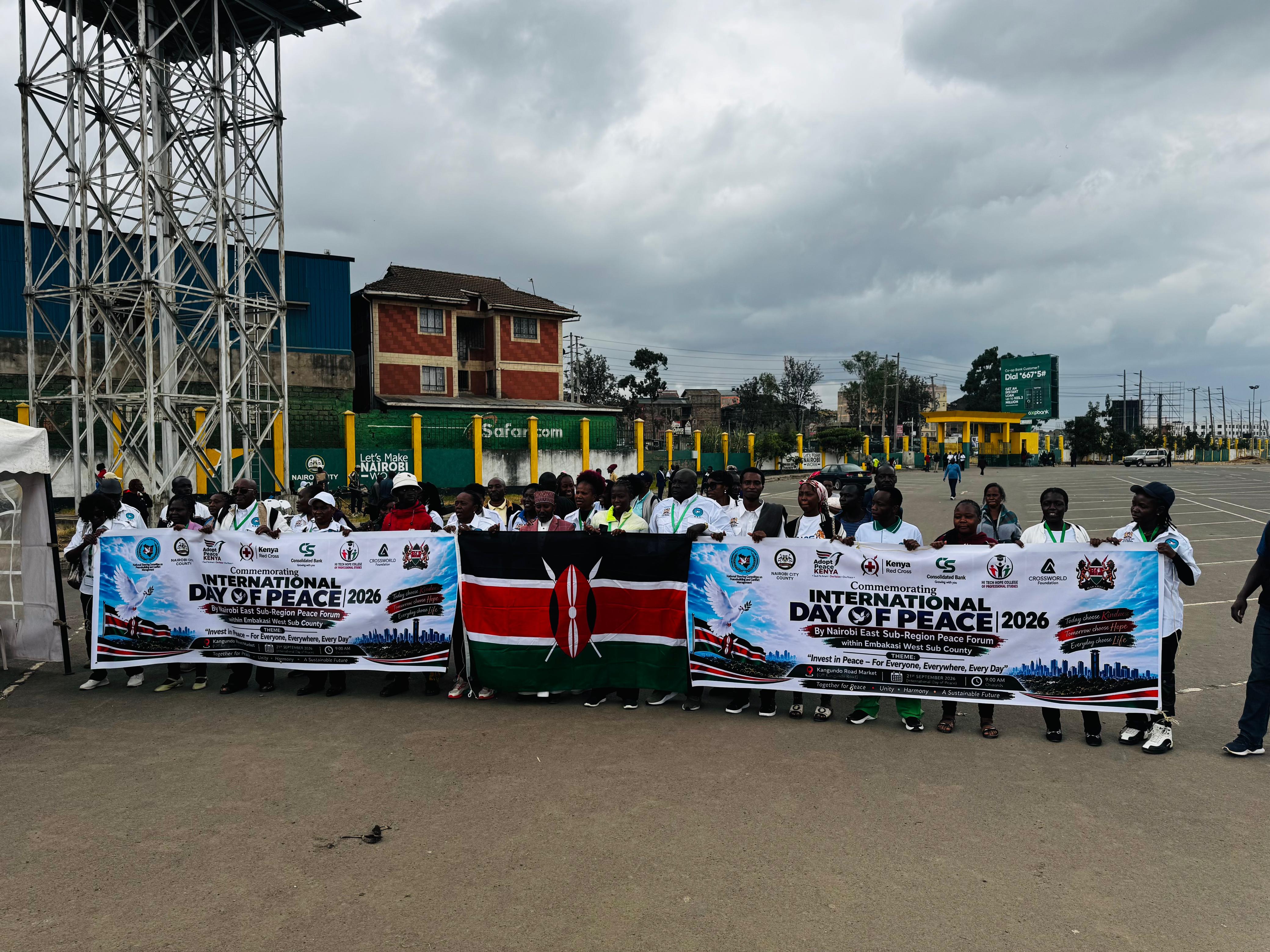
In many of Nairobi's informal settlements, the boda boda rider is more than a means of transport — he is a community figure. Riders know every alley, every family, every shortcut. They are among the first to hear about tension, and often the first to respond when something goes wrong.
That is why Crossworld Foundation chose them — and the young people around them — for a sensitization session in Embakasi, Nairobi. The theme was simple and direct: good morals, and the choice to walk away from goonism and criminal gangs.
A young person does not join a gang because he loves violence. He joins because he is looking for belonging, for income, or for protection. If we can offer those things another way, we change the whole story.
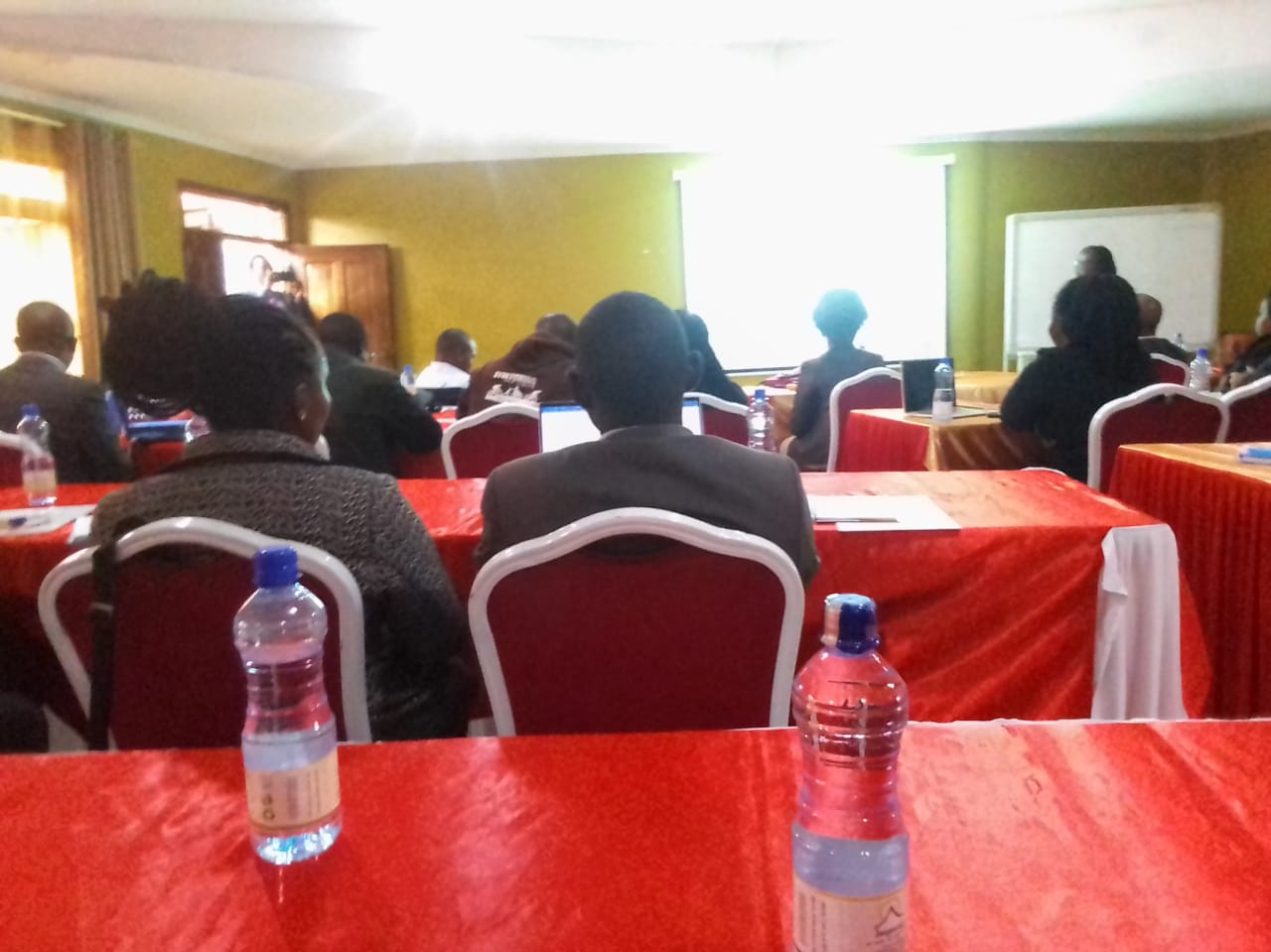
— Crossworld Foundation youth teamThe session brought together dozens of young people from the Embakasi area — boda boda riders, youth group members, and young men and women who live and work in the surrounding estates. Facilitators from Crossworld Foundation opened by naming the reality that many already knew: gangs recruit young people who feel unseen, unheard, and without options. They offer quick money, protection, and the promise of respect.
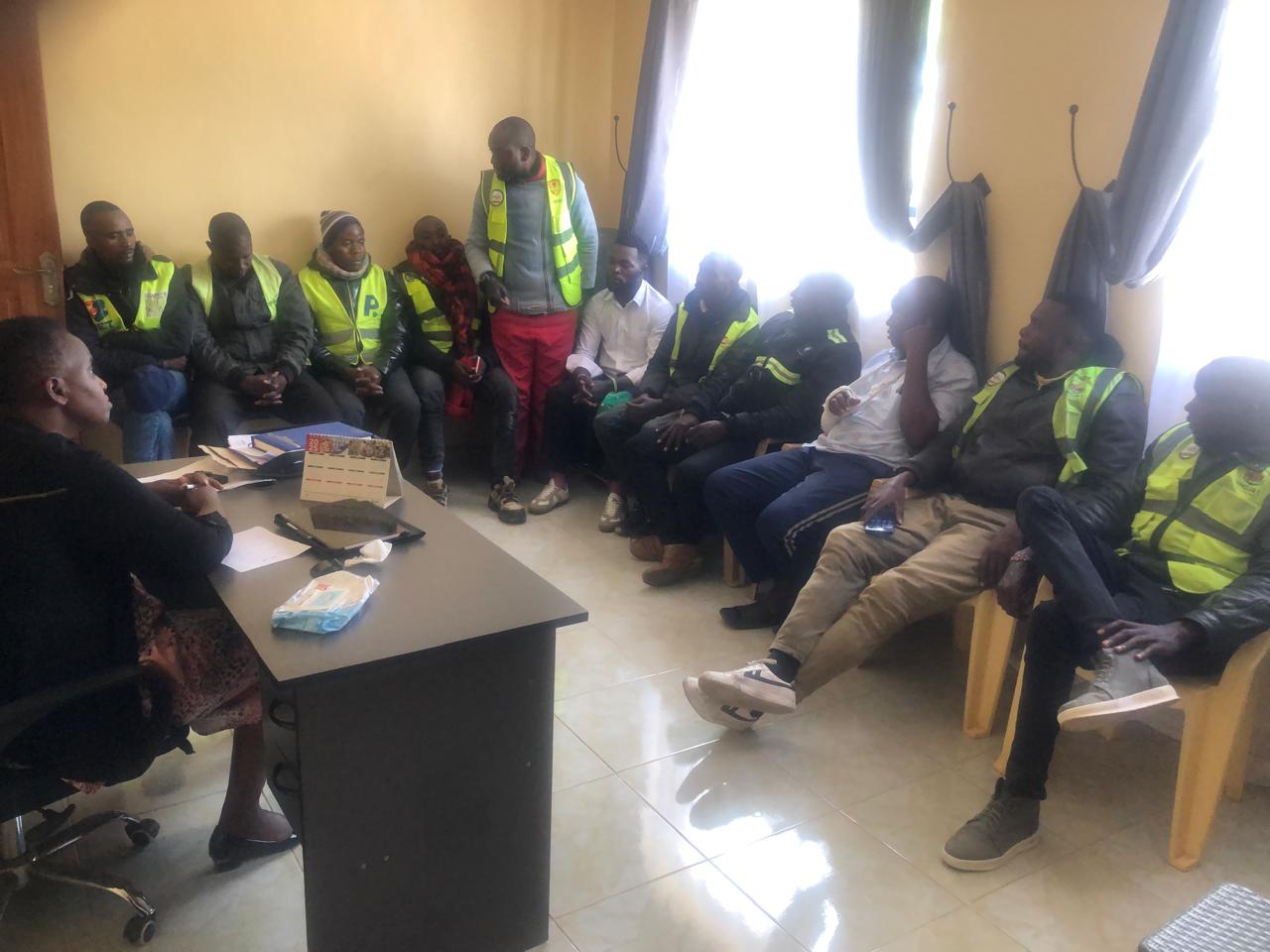
The discussion moved from diagnosis to choice. Riders were invited to reflect on what they already contribute to their communities: they are often the ones who rush a sick child to hospital, who deliver food to elderly neighbours, who sound the alarm when something is wrong. The message was that their role as riders is not just a job — it is a form of leadership.
Turning awareness into identity
Good morals, the facilitators explained, are not abstract ideas — they are daily decisions. Refusing to take part in gang activity. Choosing not to spread a rumour that could spark violence. Standing up for a neighbour who is being harassed. Reporting a criminal plan rather than joining it.
The session also touched on the practical realities that pull young people toward criminality: unemployment, exclusion, substance abuse, and the absence of mentorship. Participants discussed what they would need to stay on the right path — and what they could offer each other. Several riders committed to forming a peer-support group so that they could check in with one another regularly.
What happens next
Sensitization is only the beginning. Crossworld Foundation intends to follow up with the riders and youth leaders who attended the session — connecting them to mentorship, life-skills training, and pathways into income-generating work. The Foundation's wider youth programme focuses on leadership, entrepreneurship, and peaceful participation in community life.
Young people do not need to be rescued. They need to be seen. When a rider in Embakasi is treated as a leader rather than a risk, the community gains far more than a safer street — it gains an ally.